Problem
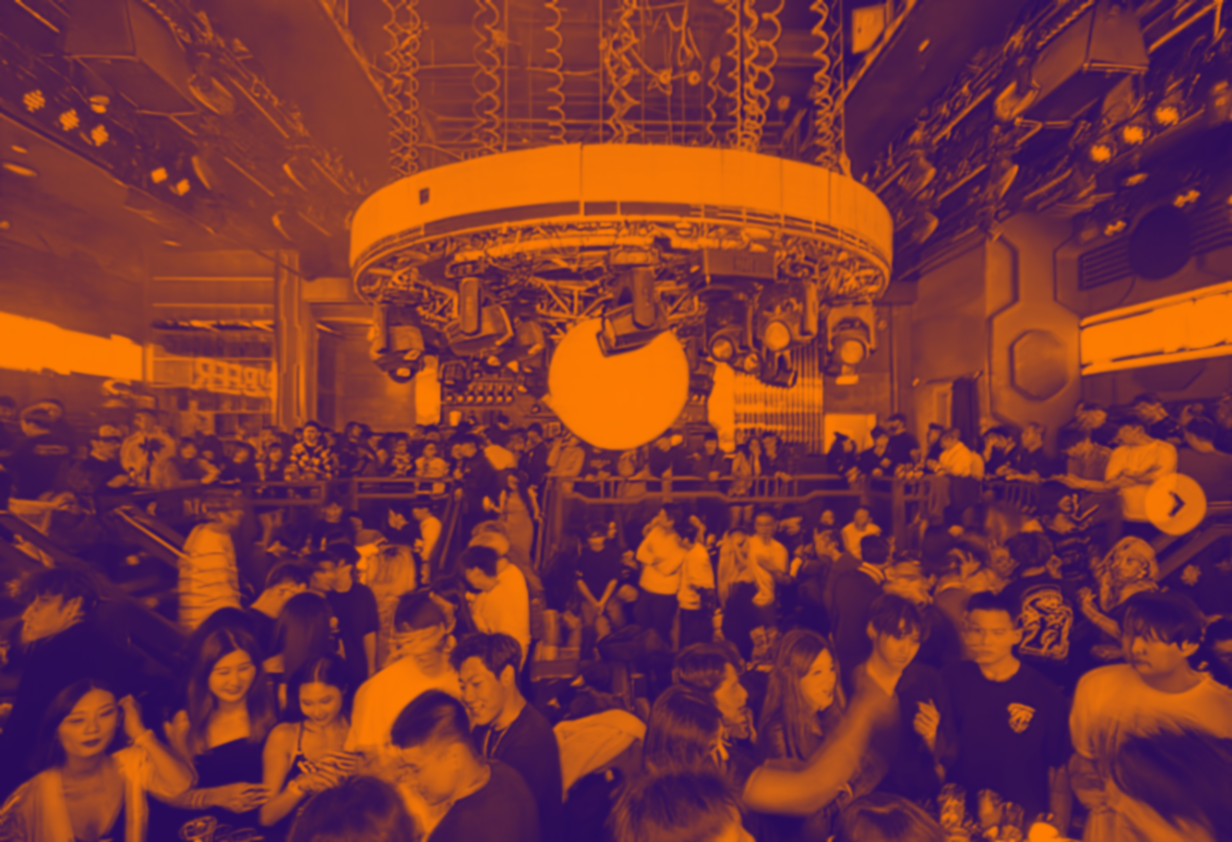
*How might we design a way to enhance the audience experience in a chaotic space?
Shaders + Phasers
Reimagining how VJing could enhance the crowd experience became one of our primary goals while developing new technical system. To support this vision, we introduced new phasers and shaders that allowed for greater creative control and more detailed visual expression throughout our performances. We leveraged our backgrounds in UX design to orchestrate generative and reactive visuals. Below is a frame difference generator and a blobtracker I vibe-coded that takes webcam imaging and modifies it for "on the fly" visuals.
Collateral
Me and the visual design team created posters and collateral for Off*Lines signature events, Anime Rewind and Shibuya (Shieebooyah), and UDX Festival. In addition to the posters we looked at various way to create resonance with the guests by incorperating niche references by way of old anime, MMORPGs and fan material. Each event brought new challenges with the creation of new phasers, lighting elements and logos. Some of the phaser transitions can be seen below. By studying our contemporaries like Porter Robinson, CHYL and Gareth Emery we looked at better ways to represent the feeling of the music through unconventional graphics allowing users to enjoy the ambience instead of looking for visual cues.
UX optimizations and Lineups
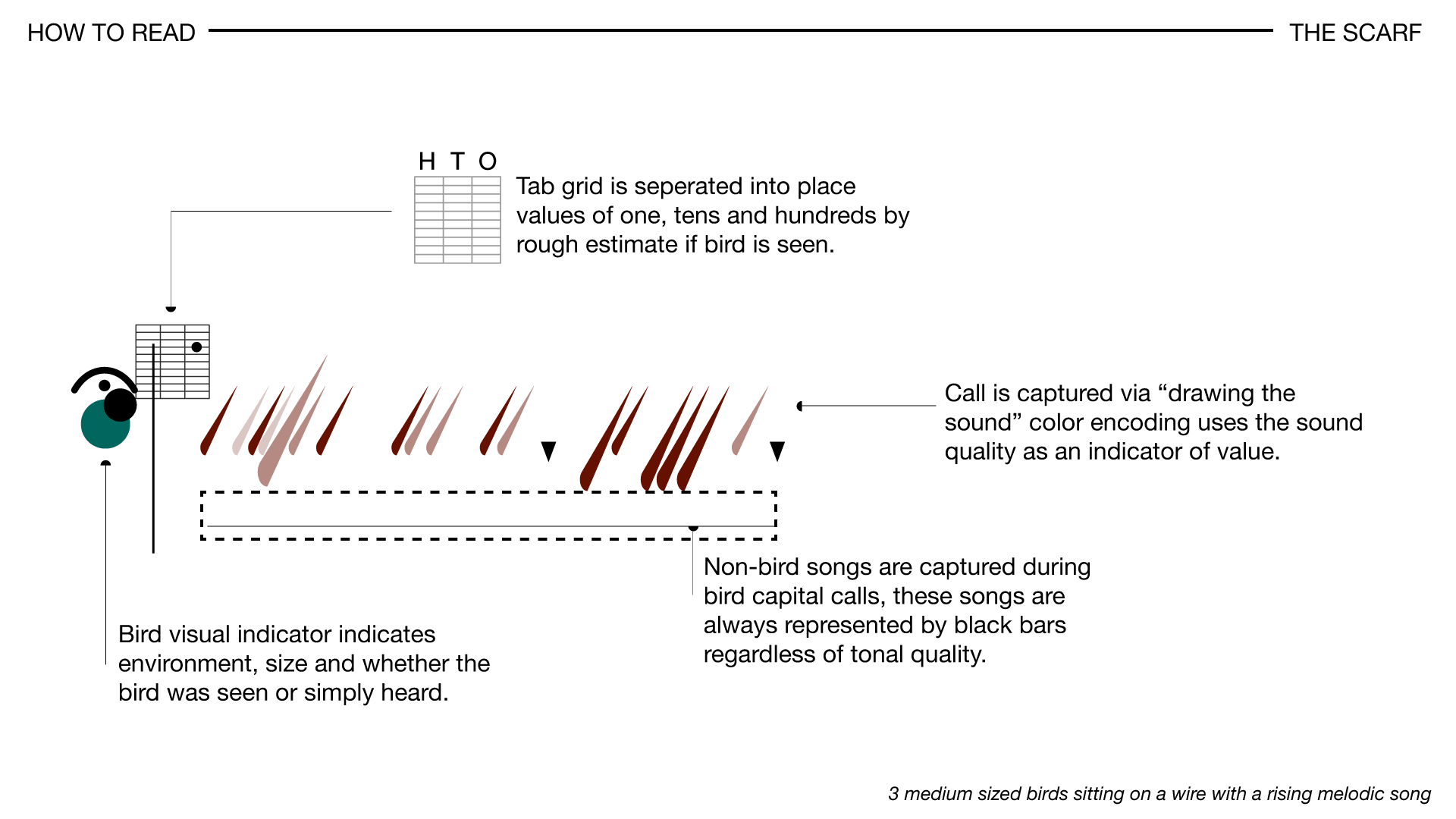
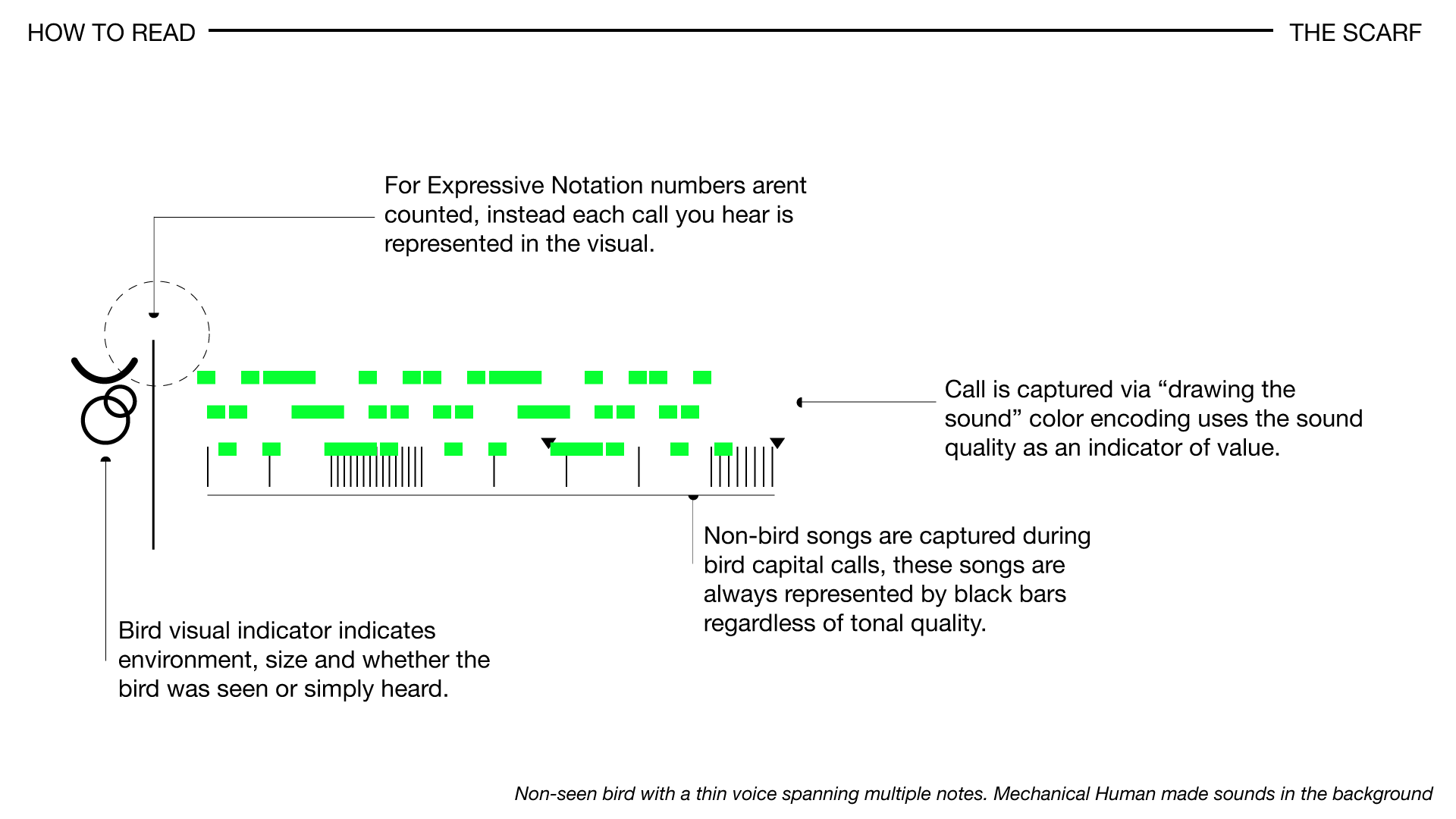
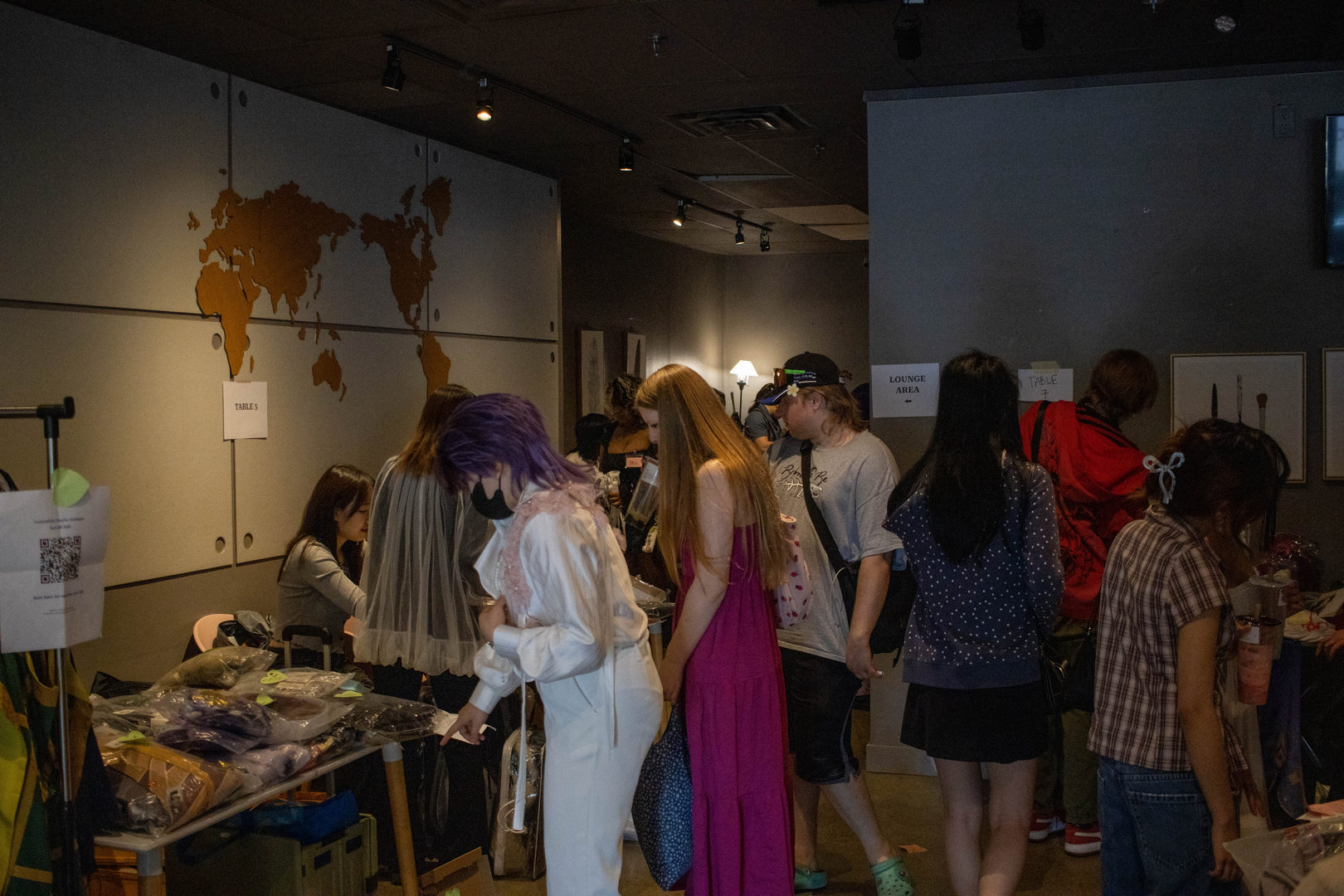
An unintended affordance of hosting and running Anikura events means that as a UX and Social Events organizer we could use lines and pre-events as "living labs" in order to test new theories and ideas, or in this case, to confirm passive data collection through events was a viable operations strategy. This allowed OFFLINE to gather more data from event-goers to optimize, and plan future events. Inspired by Giorgia Lupi's and Laurie Frick's work at TED, MOMA, and PENTAGRAM I wanted to use the ideas of data art as a way to enhance events through passive data collection turned into art. Our affordance here was that users would be able to interact with a pre experience before the event and helping to alieviate bordom through an engaged tactile activity. In laymans terms, it forced interaction by making people engage physically instead of digitally.
As part of a series of living lab experiments I looked at precedence to engage and spark discussion between new groups of people:
Data Wall
At its core, a data wall is a low-tech tool that does two things well: it reframes how participants think about a question, and it generates real data for future event planning. By encoding responses through strings and nails, stickers and pegs, or a mix of both, we give attendees a way to express what's on their minds.
The format also has practical benefits. Moving the activity to a wall frees up floor space and keeps traffic flowing through the event space. And perhaps best of all, a well-executed data wall becomes participatory art, and a genuine point of connection for organizers at the end of the day. My initial test of the data wall functioned as a prototype to test the feasibility of the idea in a "Anime -Club" Adjacent setting, participants answering questions
Idea Expansion
Granularity can be important in data art as it allows users to connect with each other at a more-than-surface level. While we confirmed the concept is sound, I wanted to explore more specific questions related to the event. Using this as a catalyst I prepped the next event to re-use the same concept but to ask more provoking questions to better gauge and gather data, while also alluding to and teasing future events∎.